
-
WHAT WE OFFER
-
WHO WE SERVE
-
DAILY STRUCTURE & EXECUTIVE FUNCTIONING
-
LIFE SKILLS
-
CLINICAL PARTNERSHIPS
-
WELLNESS & LIFESTYLE
-
FAMILY SUPPORT
-
EDUCATION, WORK & LIFE SKILLS
-
12-STEP RECOVERY & COMMUNITY INTEGRATION
-
EXPERIENTIAL & NATURE-BASED CONNECTION
-
COMMUNITY, SERVICE & VOLUNTEERING
-
AFTERCARE & TRANSITION PLANNING
-
WHY BODHI CASA
WHO WE SERVE
Bodhi Casa welcomes young adults from a variety of settings and at different points in their lives. Some residents arrive after residential treatment, therapeutic or wilderness-based experiences, detoxification, hospitalization, or other structured settings. Others come directly from home, college, or independent living when Bodhi Casa is an appropriate level of support.
What matters most is whether an individual is stable, able to participate safely in a community-based environment, and likely to benefit from the structure, relationships, accountability, and opportunities available at Bodhi Casa.
DAILY STRUCTURE & EXECUTIVE FUNCTIONING
Consistency is the foundation of growth. At Bodhi Casa, our daily rhythm fosters executive functioning, time management, and emotional regulation, as well as prioritization and follow-through. This establishes the groundwork for enduring transformation beyond the treatment setting.
Residents begin the day with physical movement. The core hours of the day are focused on each resident’s individual goals, which may include school, work, vocational development, therapy, recovery meetings, appointments, physical activity, and other meaningful responsibilities. Their day closes with evening reflection and community connection, followed by a healthy bedtime routine providing a good night's rest. With mentor support and peer accountability throughout, they learn to build internal systems of stability, responsibility, and follow-through that can carry into life beyond Bodhi Casa.
LIFE SKILLS
At Bodhi Casa, life skills are woven into the fabric of daily life. Instead of theoretical lessons, residents gain real-world experience by managing time, navigating responsibilities, and participating in community life with supportive coaching from our dedicated staff.
From preparing meals, attending appointments, juggling academics, to managing budgets and resolving interpersonal challenges, residents develop independence through practice—not just instruction.
Skill areas include, but are not limited to:
- Budgeting and financial literacy
- Daily hygiene and self-care fostering self-esteem
- Planning, goal setting, time management, accountability, and follow-through
- Transportation and appointment navigation
- Communication, conflict resolution, and emotional regulation
- Employment readiness and professionalism
We aim to build habits that last—establish a foundation of self-efficacy that residents can take with them into every part of life after Bodhi Casa.
Clinical Care & Therapeutic Support
Bodhi Casa recognizes that many young adults benefit from meaningful clinical support alongside the structure, community, relationships, and real-world experiences of daily life.
Residents have access to comprehensive outpatient clinical care through Bodhi Wellness Collective, a separate clinical practice, as well as the option to continue working with established outside providers when appropriate.
Clinical services available separately through Bodhi Wellness Collective may include:
Bodhi Casa remains focused on providing the residential environment, community, structure, accountability, mentorship, and experiences that help residents build stability and increasing independence.
WELLNESS & LIFESTYLE
At Bodhi Casa, we approach mental health and personal growth through a holistic lens. We believe the body and mind are deeply connected—and that lifestyle choices around movement, nutrition, sleep, and daily rhythm are not just supportive, but foundational to healing, resilience, and long-term self-regulation.
It isn’t a temporary wellness kick. It’s a lifelong skillset. Residents at Bodhi Casa learn how to build internal stability by caring for their physical health—because when the body is grounded, the mind can catch up.
Movement & Mental Well-Being
Residents engage in daily physical activity—lifting weights in our on-site CrossFit-style gym, walking to the beach, surfing, training Jiu-Jitsu, or joining weekend hikes. These activities help:
- Reduce stress and support emotional regulation
- Improve mood, focus, and sleep
- Increase motivation, resilience, and confidence
- Build community through shared challenge and achievement
Movement also teaches discipline and self-awareness—residents begin to understand how their energy, posture, and breath affect their mental state.
Sauna & Recovery Practices
Residents regularly use our on-site sauna for physical recovery and emotional reset. Sauna use supports cardiovascular health, detoxification, healthy sleep routines, and nervous system regulation.
Nutrition as Mental Health Support
Nutrition is central to mood and energy. Residents learn to fuel themselves with real food—unprocessed, blood-sugar-stabilizing meals that support mental clarity, gut health, and physical recovery. Group meal preparation builds life skills, teamwork, and healthy habits.
Rest, Rhythm, and Routine
Sleep is where healing consolidates. We help residents reset their circadian rhythms through consistent bedtimes, light exposure, evening routines, and supportive movement and nutrition.
Long-Term Integration
We help residents internalize these tools—so wellness becomes a lived identity, not just a checklist. It’s this embodied routine that sustains long-term recovery.
FAMILY SUPPORT
We believe healing happens in the context of relationships, and families are central to that process. At Bodhi Casa, we understand that long-term progress is strengthened when families are engaged, educated, and evolving alongside their loved one. We create opportunities for connection, communication, and shared growth throughout a resident’s time with us. Bodhi Casa continues to provide parent support and guidance focused on communication, boundaries, accountability, family dynamics, and supporting a young adult’s increasing independence. When clinical family work is appropriate, family therapy and family-systems services are available separately through Bodhi Wellness Collective.
Family Engagement Includes:
- Weekly updates from our leadership or case management team
- Ongoing parent coaching and structured support
- Referrals to trusted community resources, including NAMI and Al-Anon
- Education around co-dependency, trauma, enabling, systems work, and communication
“This isn’t just about your loved one getting better—it’s about the whole family healing together.” — Stefan Kocev
EDUCATION, WORK & LIFE SKILLS
At Bodhi Casa, we believe that purpose and self-esteem are best rebuilt through meaningful engagement—with yourself, your community, and your future. Many of our residents arrive having lost momentum in school or work due to mental health or substance use struggles. Our role is to help them reconnect with what matters, regain confidence, and begin crafting a life that feels personally rewarding and sustainable.
Our support includes:
- GED completion and/or high school support
- College enrollment and academic coaching (nearby schools include UCLA, USC, LMU, Otis, El Camino, and Santa Monica College)
- Vocational training and mentorship from alumni in trades like construction, plumbing, auto work, videography, and music production
For residents exploring work, we help them:
- Develop resumes and practice interviewing skills
- Secure and maintain employment
- Learn how to consistently show up on time, communicate professionally, navigate healthy workplace relationships, and take pride in their efforts and successes
- Balance mental health routines with employment expectations
Along the way, they build life skills including:
- Financial Literacy & Increasing Independence
- Time management and organization
- Accountability and follow-through
- Balancing work, school, recovery, and personal responsibilities
- Navigating adult responsibilities and increasing independence
Our alumni network plays a key role—opening doors for mentorship, internships, and hands-on exposure to new possibilities. Everyone’s path is different, but the outcome we aim for is the same: a stable foundation, renewed purpose, and the confidence to step into life beyond Bodhi Casa.
12-STEP RECOVERY & COMMUNITY INTEGRATION
Bodhi Casa is rooted in the belief that the opposite of addiction is connection.
Our residents are immersed in one of the most vibrant 12-step recovery communities in the world—Los Angeles. From daily meetings across the city to weekend speaker panels and young people’s events, there’s always a place to plug in and be reminded of what’s possible.
We’re just six blocks from the South Bay Alano Club, which offers regular meetings, sober events, and a built-in fellowship of like-minded peers. Residents often volunteer, take commitments, and attend meetings at the Alano Club as part of their weekly rhythm.
12-step recovery is an integral part of our culture—supported by mentorship, alumni relationships, and experiential accountability. We help residents develop their own relationship with recovery, rooted in community and daily action.
Note for non-substance users: The community, service, spiritual principles, and accountability found in 12-step groups can still be deeply supportive—without adopting a “recovery identity.” Residents with primary mental health goals are never forced into a framework that isn’t appropriate for them; instead, we help each person build meaningful connection through the outlets that fit.
EXPERIENTIAL & NATURE-BASED CONNECTION
We believe meaningful growth doesn’t happen only in formal settings—it also happens on the trail, in the ocean, around the fire, and through shared experiences with others. At Bodhi Casa, nature isn’t an afterthought—it’s part of the medicine. Many of our residents arrive feeling disconnected from their bodies, their passions, and their sense of purpose. Through daily movement, weekend outings, and immersive adventures, they begin to rebuild those bridges.
Nature, Movement & Regulation
Science confirms what we see daily—natural environments regulate the nervous system, enhance cognitive function, and lower inflammation. Whether it’s cold ocean water, morning sun, or hiking steep terrain, our residents begin to understand the connection between physical exposure and emotional regulation. We approach this from a holistic lens: movement, breath, heat, cold, light, rhythm, and grounded presence are all integral tools for emotional regulation and mental clarity.
Immersive Experiences
Daily movement is a core part of life at Bodhi Casa. Residents work out at 24-Hour Fitness, train in our on-site CrossFit-style gym, and frequently spend time at the beach—surfing, swimming, walking, or just being in the ocean. These experiences support regulation, community, and rhythm. Many also play basketball, participate in sober softball leagues, golf with alumni, or play tennis and skateboard—often blending exercise with social connection and fun.
Saturdays are reserved for longer outings and exploration—whether it's hiking local trails, visiting the Getty Museum, or volunteering in the community.
Our multi-day camping trips to Yosemite, Mammoth, Big Sur, and Joshua Tree include activities like:
- Rock climbing and paddleboarding
- Hiking the John Muir Trail and swimming alpine lakes
- Skateboarding, fishing, campfire meals, and trail clean-ups
These immersive experiences provide awe, challenge, connection, and a more expansive view of what’s possible in a life of long-term recovery.
Reconnecting With Passion & Purpose
We introduce residents to a wide variety of passions—surfing, martial arts, creative expression, golf, music, climbing, and more. These aren’t just hobbies. They are points of contact with identity and purpose. When a young man catches a wave, pushes through resistance, or rediscovers a long-lost creative outlet, something shifts. He begins to feel present. Grounded, part of something again. These experiences build internal structure, relational trust, and a more expansive worldview. They help residents realize they’re not alone—and that life still holds adventure, meaning, and people worth walking alongside.
Creativity as Belonging
Our culture welcomes creative expression. Many residents bring their own instruments, make music with peers, or reconnect with forgotten talents. We support this as a way to bond, build self-worth, and express identity without needing words.
COMMUNITY, SERVICE & VOLUNTEERING
“The key to life is wanting for others what you want for yourself and helping them achieve it.” – Desmond Tutu
“Our primary purpose in this life is to help others.” — Desmond Tutu
At Bodhi Casa, we believe being of service to others is a cornerstone of personal growth, compassion, and connection. Service not only supports those in need—it helps residents build purpose, shift perspective, and strengthen their sense of meaning and belonging.
We foster a culture where peer support and community aren’t just ideas—they’re daily experiences. Living, growing, and healing alongside others builds empathy, humility, and a sense of shared responsibility. Residents form lifelong bonds, support one another through challenges, and learn to show up for others in ways that reinforce their own recovery.
Giving Back, Grounded in Action
As part of our commitment to community and environmental stewardship, residents regularly participate in beach and trail cleanups throughout the South Bay and surrounding natural spaces. These acts of service are often integrated into experiential outings—whether we’re hiking, surfing, or exploring the coast. Volunteering becomes a hands-on way to connect with something greater, to experience the impact of compassion in motion, and to build a foundation for a life rooted in service to others.
Organizations We Support
- Waves of Recovery — Surf therapy, workshops, peer connection.
- Feed the Streets LA — Meals and essentials for people experiencing homelessness.
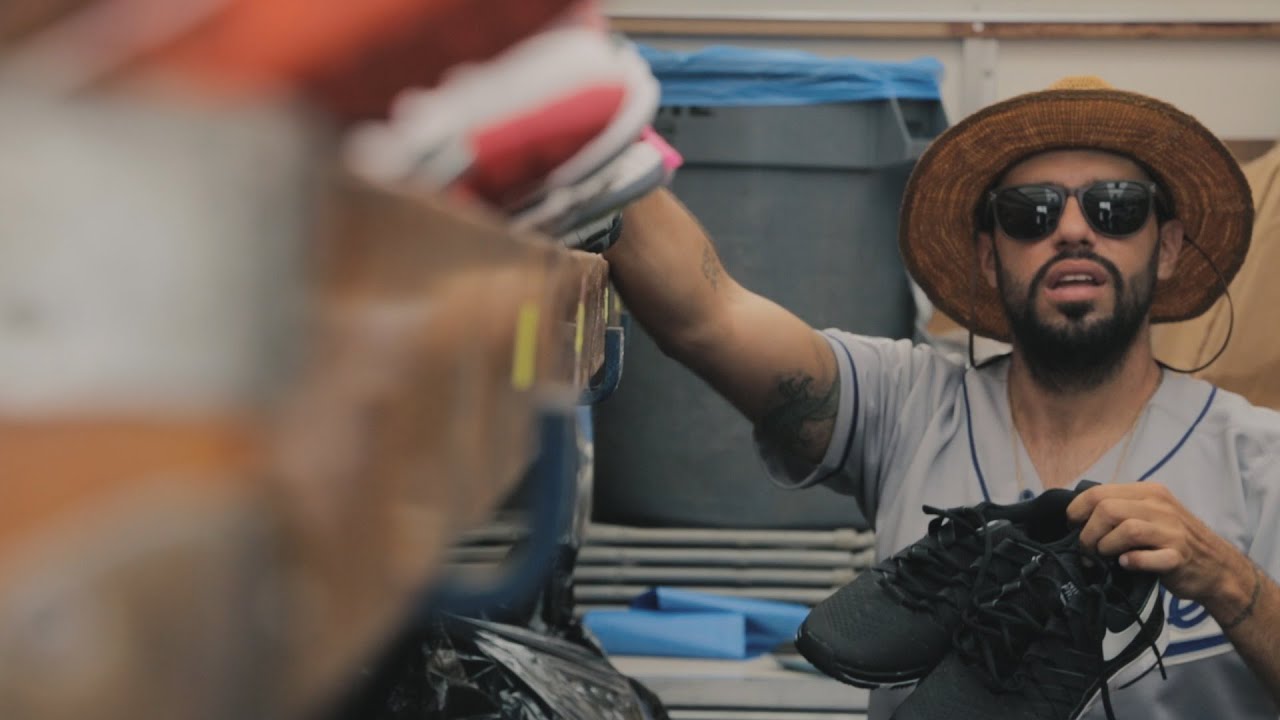
- Hav A Sole — Quality footwear distribution to underserved communities.
Why It Matters
Giving back reminds us that recovery is not just about healing ourselves—it’s about helping others do the same. When residents experience the joy and responsibility of service, it strengthens their self-worth, shifts their worldview, and roots them in a deeper sense of purpose and belonging.
Transition & Increasing Independence
Bodhi Casa is intended to be a bridge toward a more independent and meaningful life.
Throughout a resident’s time at Bodhi Casa, we help him develop the routines, skills, relationships, and practical foundation necessary for whatever comes next. For some, that may mean returning home with greater stability and responsibility. For others, it may mean independent living, continued education, employment, or another supportive environment.
As residents demonstrate consistency and growth, they gradually take on greater responsibility and autonomy.
This may include:
Increasing responsibility for daily scheduling and commitments
- Progress toward school, employment, or vocational goals
- Developing responsible financial habits
- Transportation and appointment management
- Maintaining healthy routines and relationships
- Continued connection with therapists, psychiatrists, recovery
resources, or other outside providers when appropriate - Planning for future housing and increasing independence
As residents demonstrate growth, we gradually shift focus toward increasing autonomy, while still providing support around structure, routine, and follow-through.
Long-Term Sustainability
Relapse, stagnation, and disconnection often occur when young adults transition too quickly without support. We work to close that gap by ensuring residents have:
- A stable daily rhythm and internal structure
- Anchors to their recovery or mental health plan
- A clear roadmap for school, work, or continued growth
- Ongoing access to mentors, alumni, and trusted providers
Transition isn’t a moment—it’s a process. And we walk it with them.
WHY BODHI CASA
There are many transitional environments for young adults—but at Bodhi Casa, we offer something distinct:
- A small, intimate setting where no one gets lost in the crowd
- A culture of peer support, real relationships, and personal accountability
- Daily structure and rhythm that promotes emotional regulation and executive functioning
- Access to experienced psychiatrists, therapists, and other clinical professionals through Bodhi Wellness Collective and independent providers.
- A commitment to holistic wellness through movement, nutrition, sleep, and routine
- Real-world life skills and vocational/educational coaching
- Deep integration with the broader recovery and mental health community in Los Angeles
- A vibrant and active alumni culture that gives back and stays involved
- Integrated family support and communication
We meet young men where they are—with care, structure, and belief in who they can become. For families, providers, and residents alike, Bodhi Casa represents a safe and inspiring space to rebuild, recharge, and move forward.
Community Is The Key
FEATURED ALUMNI
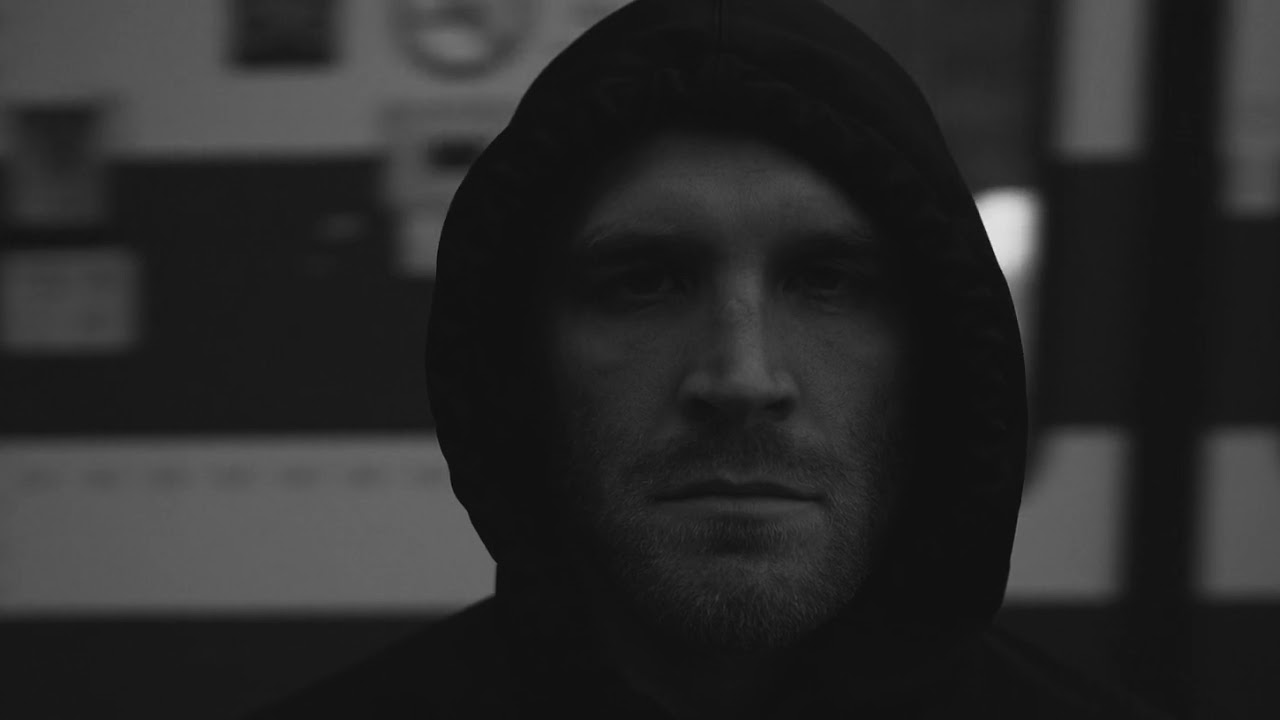
"Being of service to those who are suffering is the cornerstone of growth and kindness. It not only helps those that are less fortunate, but feeds a sense of purpose and compassion. Through volunteering we build upon the concept of service and our actions positively affect the person receiving our kindness. We thus develop an increased sense of social responsibility, self esteem, and life purpose, giving individuals a more global view of society, and feeding the heart."
WATCH HAV-A-SOLE VIDEO